
Individuals with significant tooth loss choose dentures to restore their smile and function. While this tooth replacement option is effective at replacing teeth, providing about 10% of function compared to normal teeth; dentures can lead to bone loss over time. The bone loss overtime, results in a denture that is loose fitting and makes for implant therapy more difficult.
Here, our Amarillo, TX team at the Texas Denture Clinic and Implant Center explains why traditional dentures can lead to bone loss and discusses how dental implants can prevent bone degradation from occurring.
What Happens following Tooth Loss?
With teeth, during normal function, creates stress with in the bone causing it to remodel and replace old bone with new bone. This process allows for the bone quality and quantity to be maintained.
However, once the teeth are removed, the roots are no longer present. As a result, the jawbone lacks stimulation. Over time, the supporting bone begins to atrophy. The bone loss is most significant during first 4-6 months after tooth loss – studies show the jaws resorb 4mm during the first 4-6 months. The mandible (lower jaw) has bone atrophy that occurs 4 TIMES the rate as the top jaw. Typically bone atrophy occurs at a rate of 0.2mm per year. 
The Effects of Bone Loss
Losing bone effects the overall fit of your denture. With a reduction in alveolar bone height, the denture does not have much to grab a hold of. This results in a denture that moves around easier, has less support, and less suction. Overtime, patients who elect not to consider dental implants will face increasing difficulty in wearing their dentures.
There are aesthetics repercussions as well. You may have noticed that some older individuals who have worn traditional dentures for many years have a gaunt, hollowed, or sunken-in appearance. This is due to a reduction in the alveolar bone height causing the lower third of the face to have a uneven or shorter appearance.
This is due to the ever-changing structure of the underlying bone. The more the bone deteriorates, the more sunken-in the cheeks become.
Why Traditional Dentures Do Not Address Bone Loss
Bone loss occurs because the teeth roots are no longer there to provide stimulation as well friction from a slightly loose denture accelerates this process.
Are There Alternative Treatments?
Yes, there are alternatives. Dental implants are an excellent solution for patients who want to prevent bone loss and improve stability. Implants can support a variety of restorative dentistry options, including implant-supported dentures and fixed full-arch restorations.
In some cases, patients who have already experienced significant bone loss may still qualify for implants with the help of bone grafting, which restores lost jawbone and improves implant candidacy.
Patients also have the option to choose between fixed or removable implant-supported appliances.
Compared to traditional dentures, implant-supported restorations offer superior stability. Conventional dentures can shift or slip when eating or speaking, while implant-supported appliances remain securely in place. Most importantly, implants replace missing tooth roots, actively helping to preserve bone over time.
 Exploring Candidacy for Dental Implants
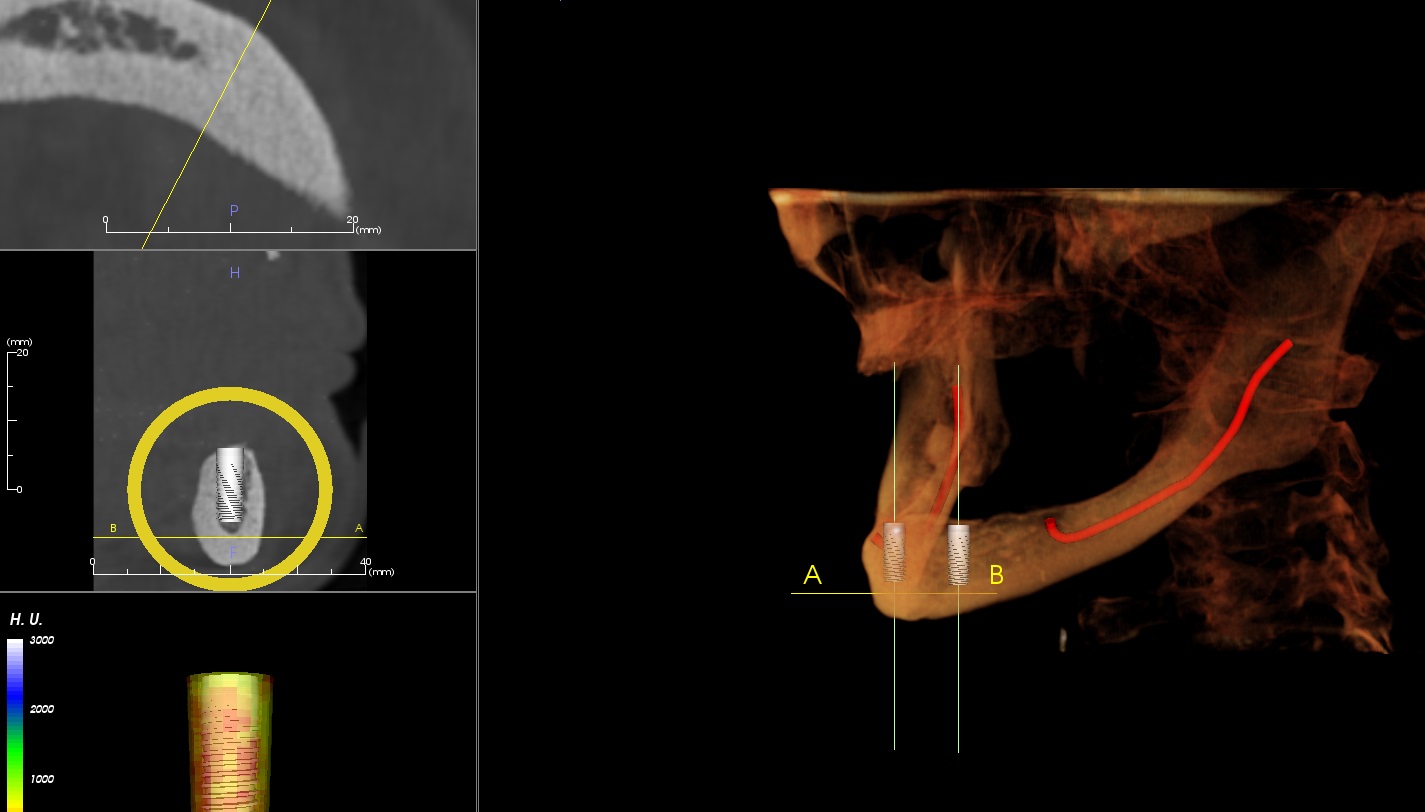
Most patients are candidates for dental implants. Our process starts with a 3-D CT Scan where we will take a look at the jaws and see the available bone and design your dental implant treatment plan before your eyes. Dr. Damon or Dr. Whittington will discuss the different treatment options as well as the different benefits the plans provide.
Contact Texas Implant & Dental Center of Amarillo Today
Are you tired of dentures that wobble and slip? If so, dental implants can stabilize your prosthesis and allow you to eat and speak in confidence.
For more information, or to schedule a visit at the Texas Implant & Dental Center of Amarillo call us at (806) 803-9219 or contact us online anytime.